

Researchers from London South Bank University interviewed 21 individuals with experience of low back pain to gain a deeper understanding of their views on manual therapy, including chiropractic care, osteopathy, massage, and joint mobilisation. The results show that patients' perceptions are largely shaped by a mechanical understanding of back pain.
Manual Therapy Creates Movement
Many participants viewed manual therapy as a way of "loosening up" the back and improving mobility. Treatment was primarily understood as a physical or mechanical intervention aimed at reducing stiffness, tension, or restrictions in the body.
At the same time, the interviews revealed that most participants were uncertain about how the treatment actually works, and perhaps that knowledge was not especially important to them. Several participants explained that they did not necessarily need to understand the mechanism behind the treatment, as long as it provided noticeable relief.
Supporting Self-Management
Participants did not see manual therapy as a substitute for their own efforts. On the contrary, all agreed that physical activity, exercise, and other forms of self-management are essential components of managing back pain.
Many described manual therapy and exercise-based self-care as approaches that "go hand in hand." Practitioners were often viewed as supportive partners who could motivate, guide, and help patients maintain healthy habits.
Differing Expectations
A key difference among participants concerned their expectations of treatment outcomes. Those with more experience of manual therapy often viewed back pain as a chronic or recurring condition that can be managed but not necessarily cured. For these individuals, treatment remained valuable even when its benefits were only temporary.
Others were more focused on finding a permanent solution. When treatment failed to produce lasting improvement, they reported feelings of frustration and scepticism about its effectiveness. Several participants expressed a desire to have their back "fixed" once and for all.
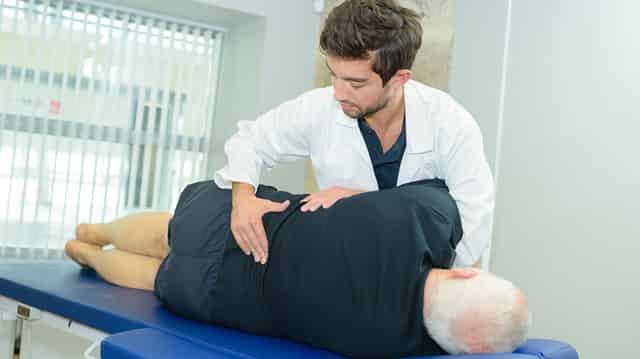
The Practitioner-Patient Relationship Divides Opinion
The study also found substantial variation in how participants viewed the relationship between patient and practitioner. Some felt that technical competence was the only important factor, while the personal relationship played a relatively minor role.
Others placed great importance on being listened to, understood, and taken seriously. Particularly among participants with longer experience of manual therapy, trust, empathy, and continuity of care were highlighted as important aspects of their treatment experience. Several participants felt that their practitioner helped them manage stress, worries, and other factors that influenced their pain.
High Levels of Trust, but Also Concerns
Most participants reported few safety concerns about manual therapy, provided they trusted the practitioner's expertise. Some even accepted temporary soreness or discomfort as a natural part of treatment.
Others expressed concern that treatment might worsen their condition. Spinal manipulation and the characteristic "cracking" sounds were perceived by some as potentially risky. By contrast, massage was generally regarded as a safe form of treatment.
Researchers: Patients' Beliefs Matter
The researchers conclude that patients' perceptions of both back pain and manual therapy may influence their behaviour, expectations, and treatment outcomes. Manual therapists should therefore actively explore patients' beliefs about the potential benefits and risks of treatment and support them in making informed decisions.
The study also suggests that, for many patients, manual therapy is not primarily about finding a cure. Instead, it is about receiving support in managing a recurring condition while maintaining function and quality of life.
Mark Thomas, Oliver P. Thomson, Daniel C. Kolubinski, Adele Stewart-Lord. ’It might help, but it won't fix me’: a qualitative study of individuals' beliefs about manual therapy for low back pain. Chiropractic & Manual Therapies 2026.
Would you poke to know more?