
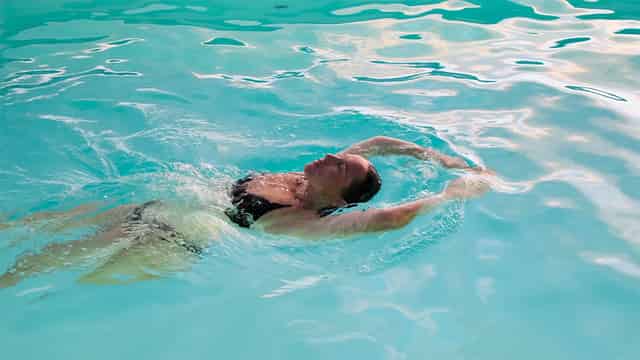

The study included 30 adults with chronic low back pain who swam 100 metres using freestyle, breaststroke, and backstroke. Researchers measured participants' pain during and immediately after swimming. The results showed that backstroke was, on average, the least painful swimming stroke, while breaststroke was the most painful.
Among other findings, the researchers observed that participants' worst pain during swimming was lower with backstroke compared to breaststroke. Pain levels immediately after swimming also tended to be lower following backstroke.
Relevant Knowledge for Chiropractors
According to the researchers, healthcare professionals should consider the choice of swimming stroke when recommending swimming as exercise for patients with chronic low back pain. Although the differences in pain levels were relatively small, they may influence patients' motivation and adherence to an exercise programme.
For chiropractors, the findings reinforce the importance of providing individualized advice regarding physical activity. Swimming is often described as a low-impact form of exercise because it places relatively little load on the spine, but the study demonstrates that not all swimming strokes are experienced in the same way by patients with low back pain.
The researchers also noted that patient preferences do not necessarily correspond with pain experiences. Although backstroke resulted in the lowest pain levels, freestyle was the most popular stroke among participants. Therefore, clinical recommendations should take symptoms, function, and patient preferences into account.
Chiropractors can apply the study findings in several practical ways when working with patients with chronic low back pain:
1. Provide More Nuanced Advice About Swimming
Many patients are generally told that “swimming is good for your back.” This study suggests that the benefits may vary depending on the swimming stroke. Backstroke was associated with less pain than breaststroke, while freestyle fell between the two.
Chiropractors may therefore consider recommending:
- Backstroke as the preferred option for people with chronic low back pain.
- Freestyle as an alternative for patients who are uncomfortable swimming backstroke.
- Caution with breaststroke in patients who experience symptom aggravation.
2. Adopt a “Test and Monitor” Approach
The study highlights that pain responses vary between individuals. In practice, chiropractors can encourage patients to:
- Try different swimming strokes.
- Monitor pain during and after swimming.
- Record any symptoms experienced the following day.
This makes the individual patient's response more important than general recommendations.
3. Increase Confidence in Physical Activity
Many people with chronic back pain become uncertain about which movements they can tolerate safely. These findings can help reinforce the message that movement is generally safe, although some activities may be more comfortable than others.
This shifts the focus from “Can I swim?” to “Which type of swimming works best for me?”
4. Improve Adherence to Exercise Programmes
The researchers suggest that the immediate pain experience during exercise may influence a person's willingness to continue with an exercise programme. If a patient experiences less discomfort while exercising, the likelihood of long-term participation may be greater.
For chiropractors, this means that exercise selection is not only about biomechanics but also about identifying activities that patients are willing and motivated to continue over time.
5. Consider Patient Preferences
An interesting finding was that most participants preferred freestyle, even though backstroke produced the lowest pain levels.
This supports a patient-centred approach: the best swimming stroke is not necessarily the one that causes the least pain, but the one that the patient enjoys and is willing to continue in the long term.
Need for Further Research
The study only examined the immediate effects of swimming 100 metres using different strokes. The researchers emphasize that longer-term studies are needed before firm conclusions can be drawn about the long-term effects of different swimming strokes on chronic low back pain.
Would you like to know more?